Saturday, 7 May 2011

Speaking from Experience - Folders

I think a good way to keep organised is to keep all handouts and briefs, and what ever else that is printed that will be needed at some point all together in one place, so that when you do come to using/needing them you know where they are. This would save so much time and effort. My initial idea was to come up with some paper folders, made from quite a high GSM stock so that they are sturdy enough to hold together and basically still look like a normal folder, but not just a typical folder. I thought because we have all the different modules going off at the same time it would be a good idea to give to the student a folder for each separate module.

I sketched down a variety of possibilities for having the folders made from paper.


Whilst sketching, I really latched on to the idea of having a sort of folder box, so that it would be really easy to slot paper in and out when required. I came up with a few ways of doing this, but when I did the sketch of what they would be like all stood together, it got me to thinking just how much room it would take up in the 'pack' if I was to do this. It works out if I were to have the depth of each of them to just 2cm each, this still adds up to being 14cm wide when they are all together. I want to keep the pack to a manageable size and not make it into a full on box, so because of this I hit a hurdle with the folders.


Alternatives
An alternative I believe would sort of do the same job would be to make just one folder for the student to carry with them, or keep in their draw or at home where every brief and handout and what ever else is given to them goes. This does still solve the problem of keeping them all in one place, but doesn't really keep it organised within it, so you would have to go routing through it all to find the thing you need.

I think the folders that you can get where they have separate sections within the folder are really ugly, and I don't think it would really be appealing so I immediately discarded this idea. Also because once I start doing that it will soon bulk up the depth of it.

Reflecting back over the sketches, I got to thinking about the folders that they give out at school, where they are flat but have creases in them, so that when they start to get full they fold out so that things can fit. These folders are quite ugly, but would be a good way of solving my problem. I just need to think of a way to make them more desirable to use/take notice of.

Another alternative I thought of was that because the OUGD101, OUGD102, and OUGD103 modules run one after another, this could eliminate two of the folders if I was to make this folder so that one is used for all three. It's a possibility.


'Flat pack' folders
Going back to the idea to be similar to the kind of folders they give at school, a good way I thought of to make them a bit cooler would be to have them portrait instead of landscape, so I guessed real quick a net on how to do this, and had a go at making one out of layout paper. I learnt two lessons from this, 1 - I need to definitely measure things out before I make them to save wasting time (as it just didn't turn out right at all) and 2 - do not use layout paper again to experiment at folding things such as paper folders with again.


I left the folder thing for a while after this so that I could come back to it with fresh thinking, and once I started thinking about it again I pretty much realised the above idea is pants. Even so, I still want to go with the portrait folder that is sort of like a flat pack, just not have it look like that. So I started sketching ideas again and then developed this on to the possible idea.

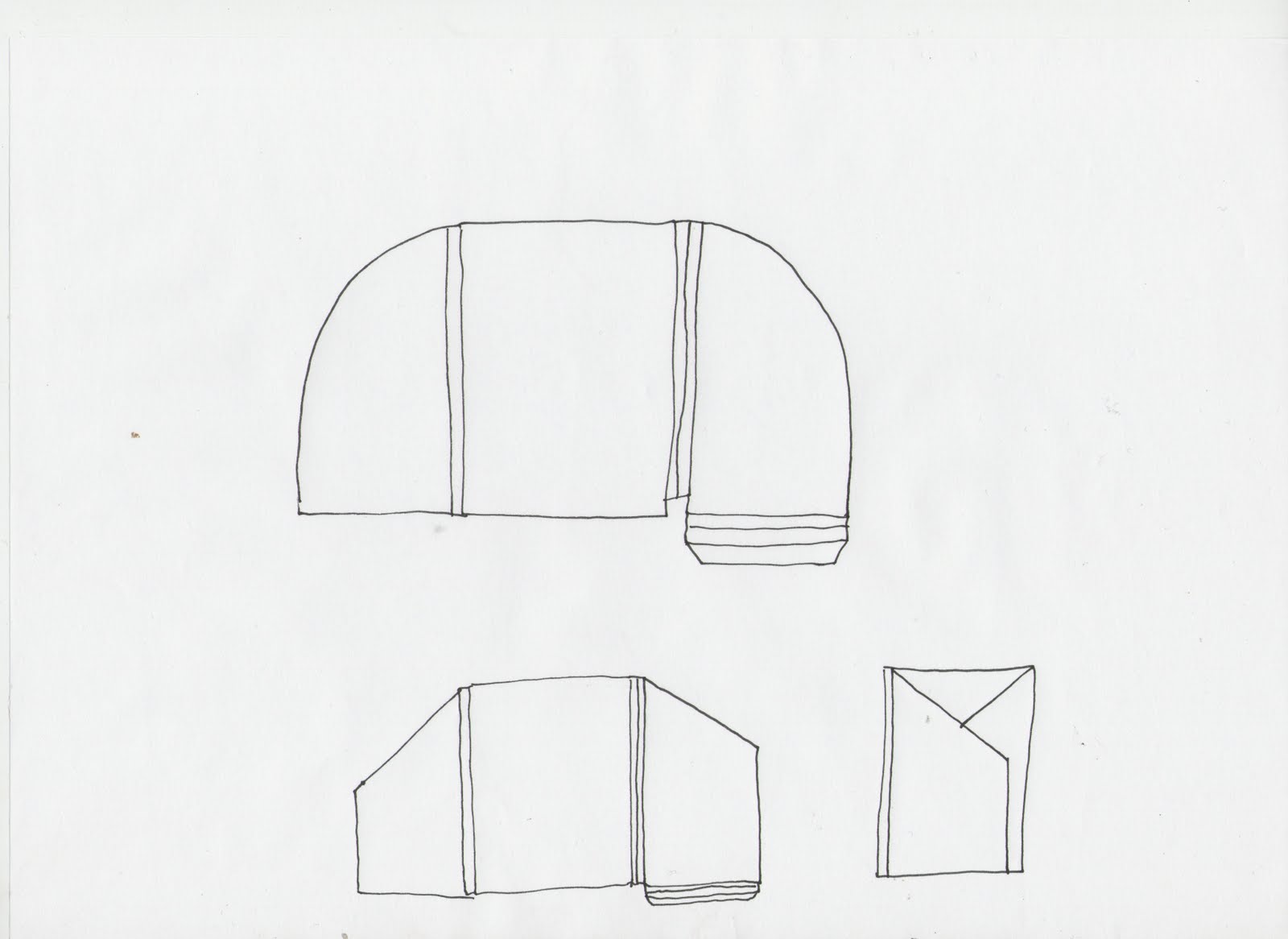


I quite like the idea that I have ended up with at the end, I will develop this slightly depending on what fits best, but I think if the design I use on it is done to a hugh standard it could turn out to look really good.

I experimented quickly with some layout paper with the folded sections of the folder that will make it into a flat pack folder. I did it with the inside section so that I could just use an A4 sheet. It turned out well and gave me a really good idea for what needs to be done for this.

I then started to put together some nets for me to follow for the folder for once I start designing it.
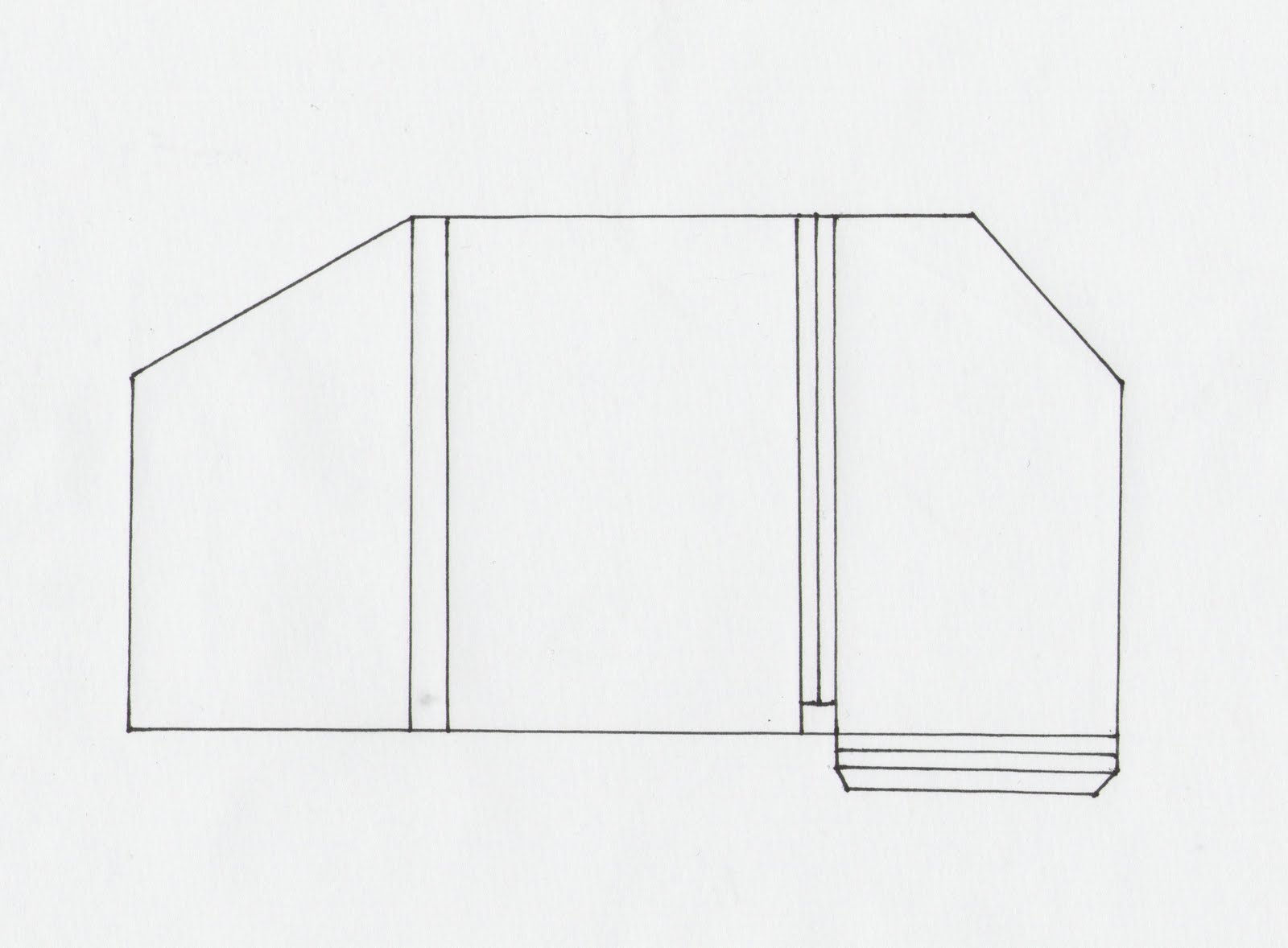
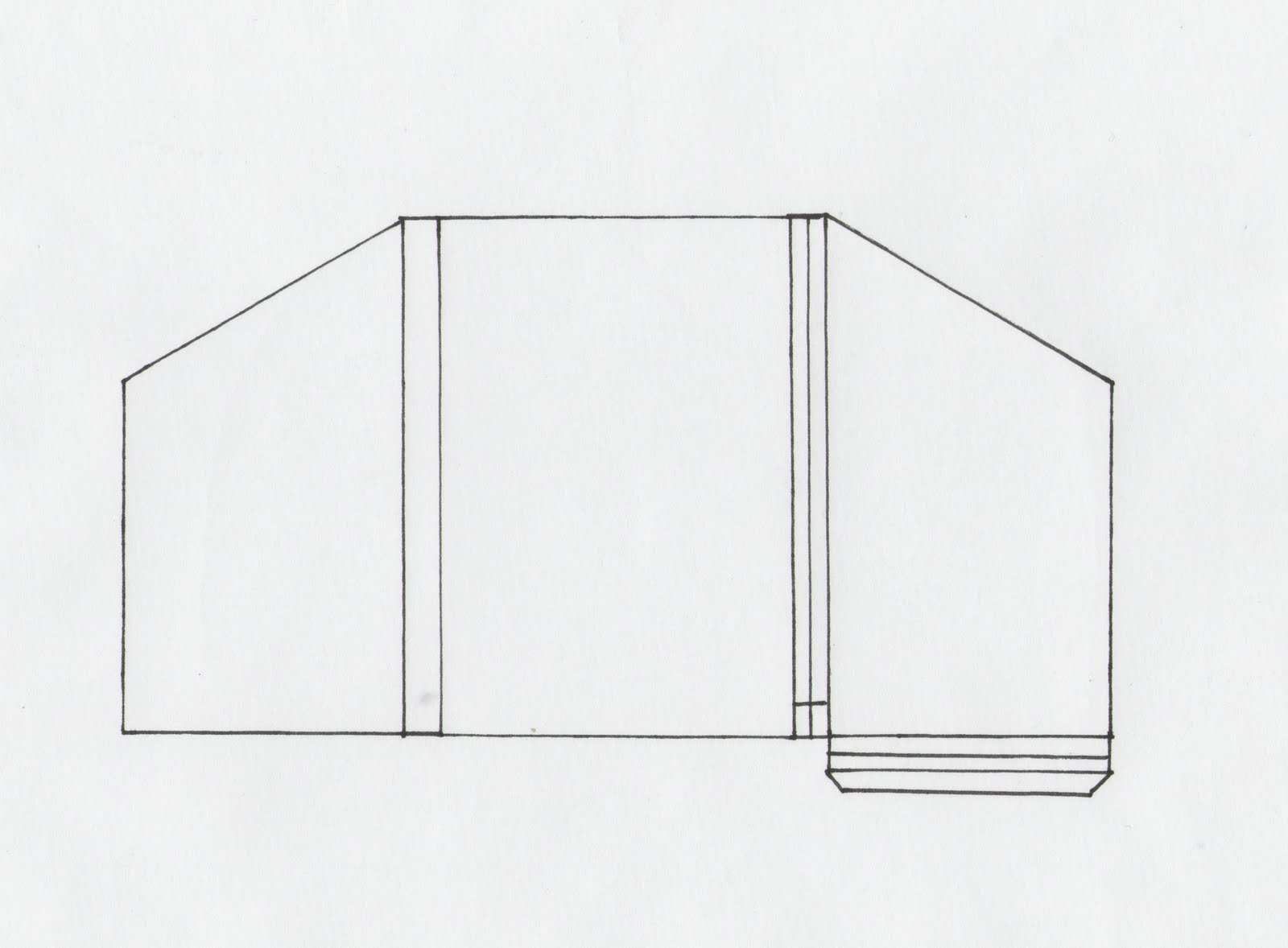


I am happy with how the last net is and this will be what I use. I picked up the first copy of a net that I came to and photocopied it to work out the actual size for it. 


Whilst this size would be ideal, I have to think about being able to print it, and keeping the cost down as I will have to print it numerous times. A way to get around it would be to print the design separate and stick it on but that wouldn't look very professional.

I made some mock ups of the folders to make sure that the measurements are right, and also to see what stock I should use. I experimented with the higher gsm stocks from the samples I have, as well as one with some mount board. The one that works the best is the card from the library.


Friday, 6 May 2011

Speaking from Experience - Existing Notebooks

I went to the library to see what different notebooks they had available. Almost all of the ones they had could be either sketchbooks or notebooks depending what the reason you are purchasing them is for. They ranged from all sorts of sizes, from big to little. I briefly looked at each and wondered what my personal preferred size would be if I was to buy them for notebooks, and the size I was most drawn to were the A5 ones. I bought 5 different ones for me to analyse.

For each, I sat down and measured the correct sizes and counted the number of pages for each to help me analyse them better and know more about each one individual. This includes:

  • How many sheets/sides
  • Type of paper
  • Paper size
  • 'Wasted' amount of paper
  • Cover size
  • Available in portrait/landscape


Binding
I think out of all that I have purchased, the ring bound books I think are the most practical to use as a notebook. I think this because they are easy to hold in general, and the pages fold completely back on themselves, so when you are taking notes you don't have to have it completely open, you can still keep it at the A5 size that it is. This will make it slightly easier I believe because it would require less effort than it would to hold it whilst writing the notes down, and with how fast you have to take the notes this can also be a good thing. So because of this, I will look into whether it would be possible for me to ring bind the notebook/planner I am considering making, as well as how easy it would be and how much it would cost. Alternatively, if it will not be possible, then I will look more into the hardback bound style for it.

Size
I have decided that I will produce the notebook I am making to be A5 size as I think it is a good size to have without it being too big or small. The pages are big enough to layout the notes being taken how ever they like, and it is still the right size to just throw in your bag or carry around.

Stock
I prefer the cartridge paper that is used in the majority of the books compared to the really thin lined paper that is in the notepad. This is because it is more durable, and generally feels better. You can guarantee that what ever type of pen is preferred by the person using the book won't go through and bleed onto the back/other page, which ensures that each side of the pages could be used. Even so, I do understand the fact that these books are also available to be used as sketchbooks as well as notebooks, and cartridge paper is a lot nicer to sketch on, but it makes the books a lot thicker than it would with a paper stock that has a slightly lower GSM. I will take this into consideration when choosing which stock to use for the pages, as it would be better to get more pages in the book without it starting to get ridiculously thick. Also, I think it is easier to make notes onto plain paper than it is lined when you are having to write them fast as you can lay them out how ever you like, where as if there is lines present you have to follow that form more and could make it slightly less desirable to use, so because of this I have decided to keep the pages plain.

Covers
The books with the harder/more solid covers are a lot easier to make notes in whilst holding it on your knee than it is in the ones with thinner/no solid covers. It makes the books a lot sturdier making it less effort to use. I will look at getting some sort of strong stock to use as the covers, but whether I keep it plain or back it is yet to be decided.

I researched what it is that is used to make hardback books to ensure I buy a sturdy enough stock. I have looked before at places like Hobby Craft but couldn't find any. Once I knew the general name for it, I searched for somewhere to buy it from and purchased it straight away, this way it will come as soon as and will be here for when I get round to using it.


Thursday, 5 May 2011

Speaking from Experience - Design Direction Boards

In preparation for the progress crit presentations we have on 06/05/2011, I put together these design direction boards. One for Concept, one for Content, and one for Method of Delivery for me to use to explain my idea and what I am intending to do. I kept the actual design of them really simple, without making them too simple that it looks like no thought went into them. I am not entirely sure how what I am going to make will look so by doing them like this it doesn't make and sort of 'design promise' as such.


See the feedback I got from the crit here.

Before I start actually designing what I am making, I will start by working out how I will do them and actual sizes and all of that before I do. I'm doing this because I think it will make it easier in the long run to ensure everything will turn out and look as it should to a high standard. Instead of having lots of posts for each of the different things I am making, I will put everything on to one post that I do for them from start to finish (in order) for working out how I want them to be so that it makes more sense and the development of it will be a lot clearer.

Wednesday, 4 May 2011

Speaking from Experience - 'Product' Ideas

Reflecting back over the past year about the times when I felt most unorganised, I considered what I could have used that will have helped me to keep on top of things. I put together a mind map of different ideas, as well as reasonings as to why they could have helped.


From these, and the results from the survey I put together, the most useful things that I think would help a first year Graphics student on our course would be:
  • Notebook - we have lots of different lectures and seminars to take notes in, as well as taking notes when researching and what ever, so I think a notebook would be a useful thing to do. Even so, t is easy to just go pick up a every day book from the library or where ever, so I will make it so that it goes one step further to ensure the student using it can keep track of their notes and what is for what, etc.
  • Folders - we get so many different handouts and briefs for all the different modules, as well as sketches and layouts and what ever else is done on separate pieces of paper, and when we have 3 or 4 modules running at once it is hard to keep them organised all on one pile. So I think producing folders for each of the modules will help the student to keep on top of this, and will ensure everything is in the same place and easier to find.
  • To Do Lists - keeping a list of what needs to be done for what will ensure that the student keeps track of things and doesn't miss anything out. You can make a list on anything, but you have to bring yourself to making it in the first place so I will look at making something for the student so that the list can be made when ever and will prompt them to do them more often.
  • Wall Calendar - personally, a good way that I have kept track of what is needed when, and when I have certain things and all that is on a wall planned I bought at Christmas. I write things on when I know it and it is always basically in front of me at home so I can browse when ever to see what needs to be prioritised. I will create one of these calendars but rather than it going from Jan - Dec, I will make it for the academic year of Sept - Aug, that way it will all go on one and see the student right through the year.
  • USB - a USB is essential for this course as we do a lot of things on Macs, and if you are going from the Mac suite to your Mac at home and back again, it is important you always have all the files you need and know where they are, so I think having a USB stick with already created folders for each module would encourage the student to keep this organised better. I will look at a way to package this rather than just putting a USB stick in the pack.